

Hear from Our Customers
You can’t see most mold spores. They’re floating through your air right now, settling on surfaces, growing behind walls where moisture sits unnoticed. You might notice a musty smell. Maybe someone in your house has been coughing more, dealing with throat irritation, or struggling with asthma symptoms that won’t quit.
Here’s what changes after professional mold testing: you stop guessing. You get lab results that identify exactly which mold types are present, at what concentration levels, and whether those levels are normal or something that needs attention. You’ll know if that basement smell is just dampness or active mold growth eating away at your drywall.
Upper Southampton’s humid summers create perfect conditions for mold. July brings heavy thunderstorms and moisture that seeps into crawl spaces, attics, and anywhere your home isn’t perfectly sealed. Testing catches problems early, before mold spreads throughout your HVAC system or damages structural materials. You protect your family’s health and avoid the kind of repair bills that come from waiting too long.
We serve homeowners throughout Bucks County who need straight answers about their indoor air quality. We’re not here to upsell you on services you don’t need. We test, we analyze, we tell you what’s actually happening in your home.
Our team uses the same equipment and methods that industrial hygienists rely on: calibrated air sampling pumps, moisture meters, infrared cameras, and surface testing. Every sample goes to a certified laboratory where microbiologists examine it under microscopes, identify spore types, and count concentrations. You get documentation you can trust.
We understand Upper Southampton’s climate challenges. The seasonal humidity, the aging homes in neighborhoods near Second Street Pike, the basements that flood during heavy rain. We’ve tested hundreds of local properties and we know what normal looks like here versus what signals a problem.
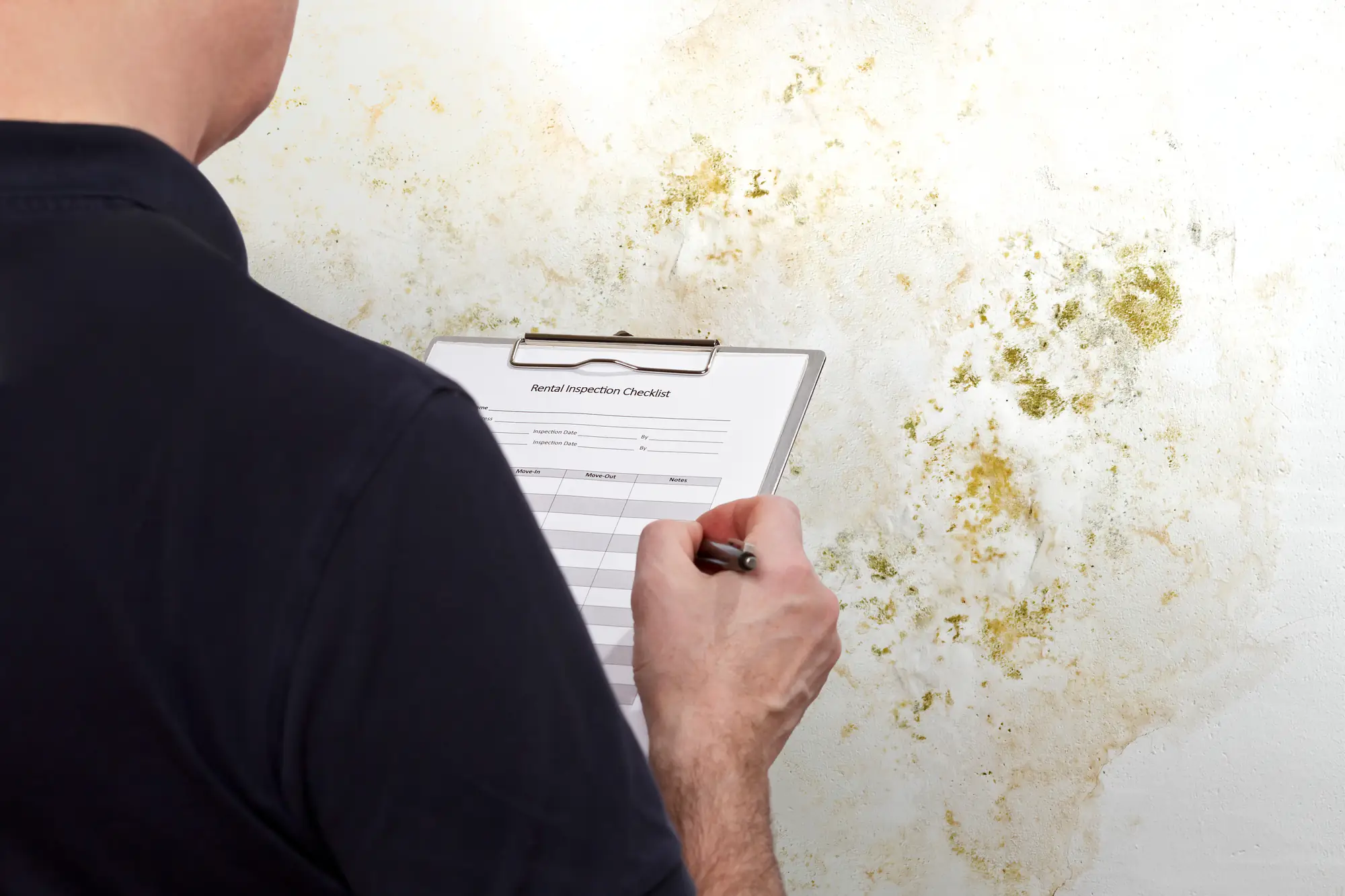
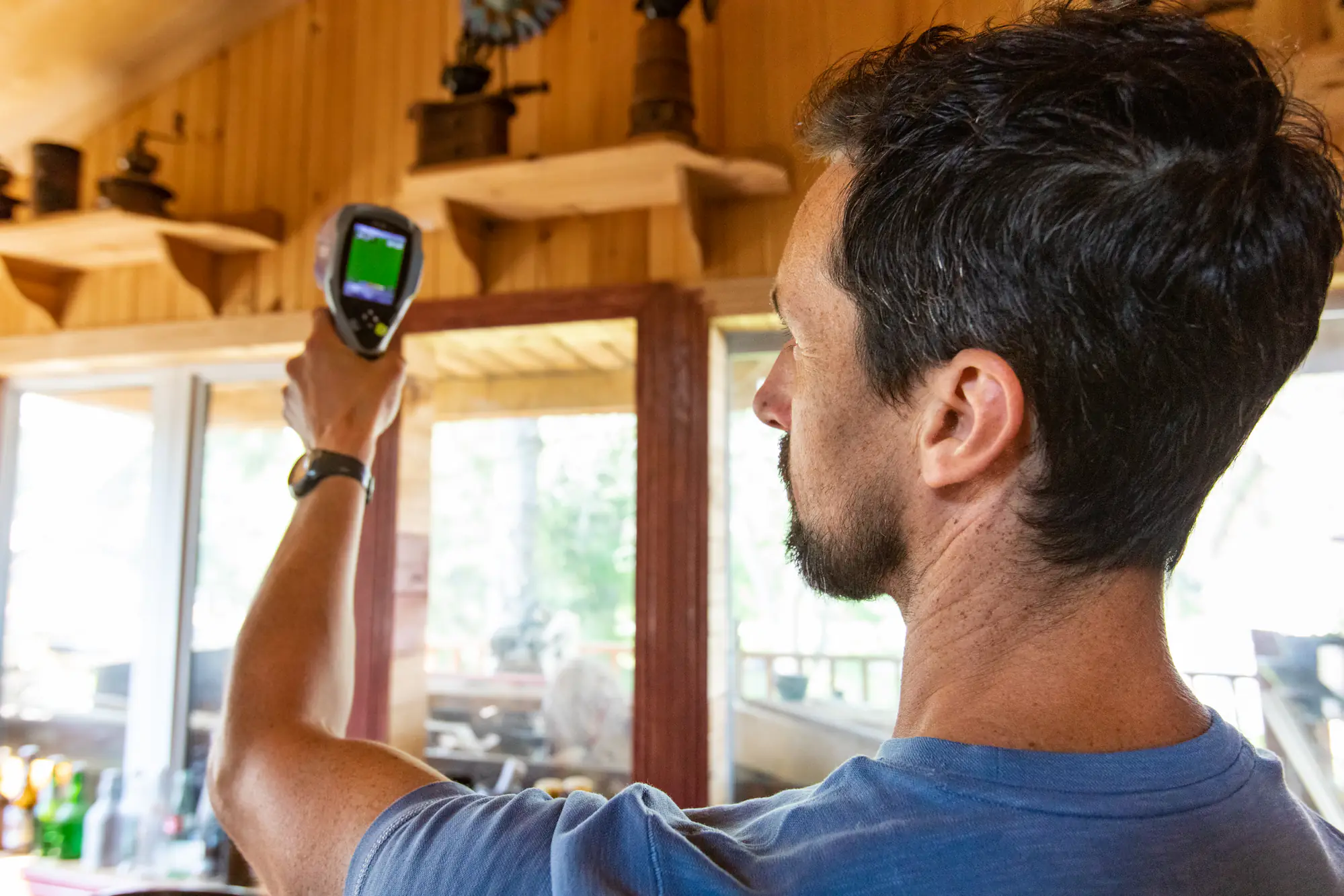
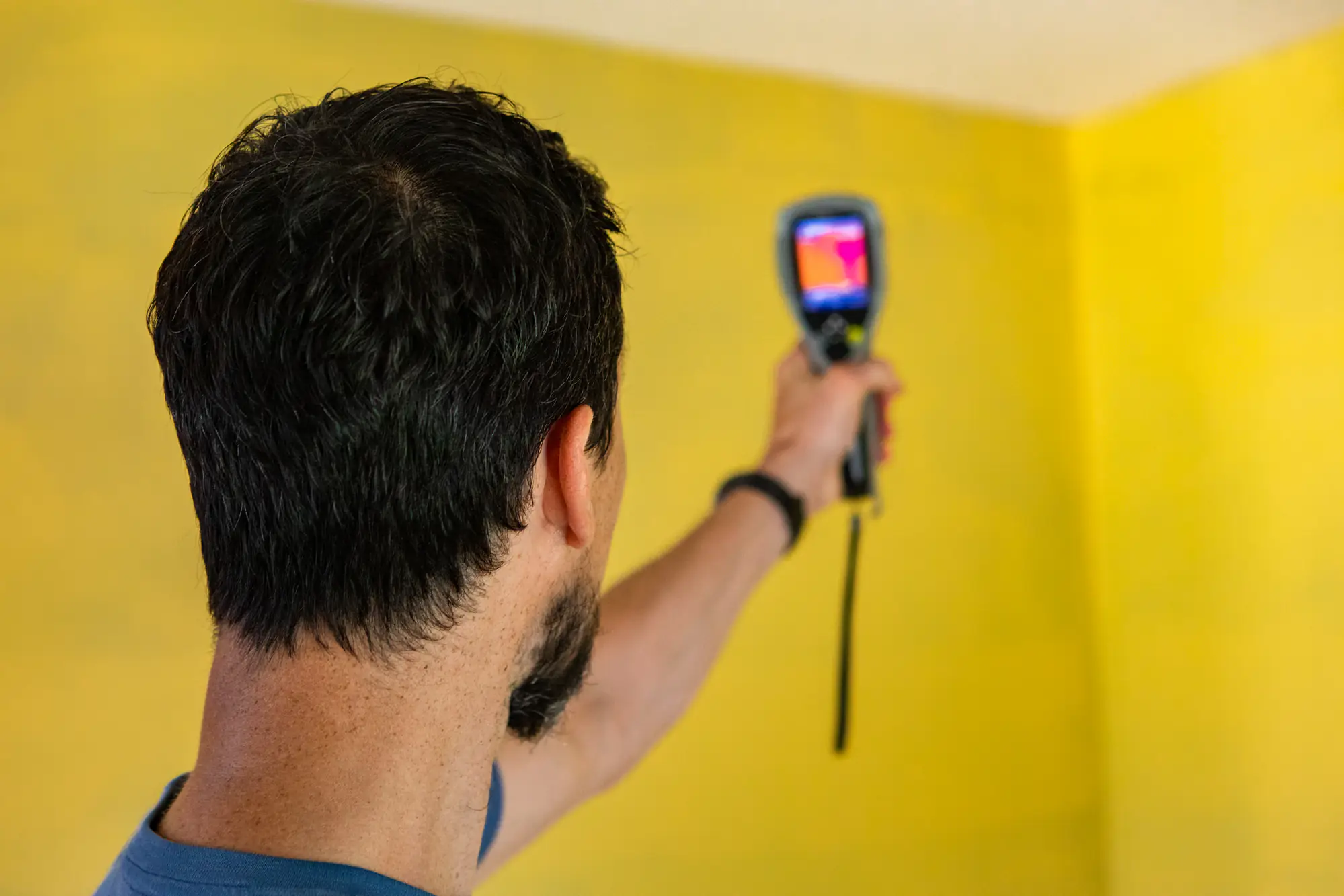
We start with a visual inspection of your property. We’re looking for obvious signs of water damage, checking areas where moisture typically accumulates, using infrared cameras to spot temperature differences that indicate hidden water intrusion. Moisture meters tell us if building materials are wetter than they should be.
Next comes air sampling. We use calibrated pumps that pull a measured volume of air through a cassette that captures airborne spores. We take samples from problem areas and from rooms that seem fine. We also take an outdoor control sample, because mold spores exist everywhere naturally. The outdoor sample establishes a baseline so we can determine if your indoor levels are abnormal.
For visible growth or suspicious surfaces, we do surface testing. A swab or tape lift collects samples that get analyzed separately. This tells us exactly what species you’re dealing with.
The cassettes go to a certified lab where trained microbiologists examine them under microscopes. They identify each mold type present and count the spore concentrations. You receive a detailed report within a few days that breaks down everything found, compares indoor to outdoor levels, and explains what the results mean. We review the report with you and recommend next steps if remediation is needed.
Ready to get started?
You get a thorough property evaluation using professional-grade equipment. Moisture meters check walls, floors, and ceilings for elevated moisture levels that support mold growth. Infrared cameras reveal hidden water damage behind surfaces. We inspect attics, basements, crawl spaces, HVAC systems, and anywhere moisture problems typically develop.
Air sampling captures what’s floating through your home’s air. We collect multiple samples from different areas to build a complete picture. Surface testing analyzes visible growth or suspicious spots. Every sample gets processed by a certified laboratory with microbiologists who specialize in mold identification.
Upper Southampton homes face specific challenges. The township’s humid continental climate means summer moisture levels regularly hit ranges where mold thrives. Older homes near Street Road or Second Street Pike often have ventilation issues that trap humidity indoors. Newer construction in developments off Bustleton Pike can have different problems like improper grading that directs water toward foundations. We account for these local factors when we test your property.
You receive detailed lab reports with spore counts, species identification, and clear explanations of what the data means. We don’t just hand you paperwork and leave. We walk through the results, answer your questions, and explain whether remediation is necessary or if you’re dealing with normal background levels.
Professional mold testing typically runs between $300 and $600 for most residential properties in Upper Southampton. The cost depends on your home’s size, how many samples we need to collect, and which testing methods make sense for your situation. Larger homes or properties with multiple problem areas may require additional sampling, which can push costs higher.
That price includes the inspection, sample collection, laboratory analysis, and a detailed report with results. You’re paying for certified lab work performed by microbiologists who identify mold species under microscopes and count spore concentrations. This is completely different from home test kits you buy at hardware stores, which Consumer Reports rates as unreliable because they can’t tell you anything actionable about whether your home actually has a mold problem.
The investment makes sense when you consider what you’re avoiding. Catching mold early prevents it from spreading through your HVAC system or destroying building materials. A few hundred dollars for testing can save you thousands in remediation and repairs down the line. You also get documentation that’s useful for insurance claims or real estate transactions if needed.
Air sampling tells you what’s floating through the air you breathe every day. We use calibrated pumps that pull a specific volume of air through a cassette that traps airborne mold spores. The lab analyzes these samples to identify which mold types are present and at what concentration levels. This method catches mold you can’t see, including spores released from hidden growth behind walls or in your HVAC system.
Surface testing analyzes visible growth or suspicious spots directly. We use swabs or tape lifts to collect samples from specific surfaces like that dark patch on your basement wall or the discoloration around your bathroom window. The lab identifies exactly which mold species you’re dealing with in that location. This is useful when you can see something growing and need to know if it’s toxic black mold or just surface mildew.
Most thorough mold inspections use both methods. Air sampling gives you the big picture of your overall indoor air quality. Surface testing provides specific answers about visible problems. Together, they create a complete assessment. We also take outdoor control samples during air testing to establish baseline levels, because mold spores exist naturally everywhere. Comparing your indoor levels to outdoor levels tells us if something unusual is happening inside your home.
No. Consumer Reports tested home mold kits and rated them “Not Recommended” due to significant flaws. The kits will always grow mold because mold spores exist everywhere naturally, but they can’t tell you anything useful about whether your home has an actual problem that needs remediation.
Here’s why they fail: they can’t measure spore concentrations, which is critical for determining if your levels are abnormal. They can’t compare your indoor air to outdoor baseline levels. They can’t detect hidden mold growing behind walls or in HVAC systems. And the analysis you get back is too vague to guide any real decisions. You’ll spend $40 on a kit that tells you mold exists in your house, which you already knew because mold exists in every house.
Professional mold testing uses calibrated equipment and certified laboratory analysis. We measure exact spore counts per cubic meter of air. We identify specific mold species, including ones that pose health risks. We compare your indoor levels to outdoor control samples to determine if something unusual is happening. You get documentation that actually means something, performed by microbiologists who examine samples under microscopes. That’s the difference between wasting money on a kit and getting real answers about your indoor air quality.
You’ll typically receive lab results within three to five business days after we collect samples. The cassettes and surface samples go to a certified laboratory where microbiologists examine them under microscopes, identify each mold type present, and count spore concentrations. This process takes time because it requires careful analysis by trained specialists.
The wait is worth it. You’re getting accurate species identification and precise spore counts that tell you exactly what’s in your home and whether the levels are concerning. Rush services are sometimes available for an additional fee if you’re dealing with a time-sensitive situation like a real estate transaction, but standard turnaround is usually fine for most homeowners.
Once results come back, we review the detailed report with you. We explain what each mold type means, whether your concentration levels are normal or elevated compared to outdoor baselines, and what action you should take if any. You’re not left trying to interpret technical lab data on your own. We walk through everything and answer your questions so you understand exactly what’s happening in your home and what your options are.
There are no federal standards for acceptable indoor mold levels. OSHA, EPA, and NIOSH haven’t established numerical limits for airborne mold concentrations. That’s why professional testing compares your indoor levels to outdoor control samples taken the same day. If your indoor spore counts are significantly higher than outdoor levels, or if you have mold species growing indoors that aren’t present outdoors, that signals a problem.
The specific mold types matter too. Some species like Stachybotrys (black mold) or Chaetomium indicate serious water damage and produce mycotoxins that affect health. Finding these indoors at any elevated level is concerning. Other common molds like Cladosporium or Penicillium exist everywhere naturally, so we’re looking at whether your indoor concentrations are abnormally high compared to what’s normal for Upper Southampton’s outdoor environment.
Lab reports break down spore counts by species and compare them to outdoor baselines. A good rule of thumb: if your indoor levels are more than double your outdoor levels, or if you have mold types indoors that don’t appear in the outdoor sample, you likely need remediation. But every situation is different. We review your specific results with you and explain whether the data indicates normal background levels or active growth that requires professional removal.
Mold keeps returning because the moisture source is still there. You can scrub visible mold off surfaces, but if the underlying cause of dampness isn’t fixed, new spores will land in that same wet environment and start growing again within 24 to 48 hours. Mold needs moisture to grow. Remove the moisture and mold can’t survive.
Common moisture sources in Upper Southampton homes include basement seepage from poor grading, roof leaks that go unnoticed until water stains appear, condensation in poorly ventilated bathrooms, and HVAC systems that aren’t properly draining. Our humid summers make these problems worse. When outdoor humidity is high and your home’s ventilation is poor, moisture accumulates in materials like drywall, insulation, and wood framing where you can’t see it.
Professional mold testing identifies where moisture is coming from using infrared cameras and moisture meters. We find the wet areas you can’t see and determine what’s causing them. Then you can fix the actual problem instead of just treating symptoms. Maybe you need better bathroom ventilation, or your gutters are directing water toward your foundation, or there’s a slow plumbing leak inside a wall. Fix the moisture issue and the mold stops coming back. That’s why testing matters—it shows you what you’re actually dealing with so you can solve it permanently.
Other Services we provide in Upper Southampton